Welcome to The Reptilarium
We are a reptile and fish shop in Bournemouth, Dorset, dedicated to providing high quality reptiles, fish and equipment.
With over 100 years of combined experience we can give you the help and information you need to take home a happy, healthy animal.
Feel free to call us on 01202 300066 or get in touch via e-mail and we will do our best to assist you.
Alternatively you can visit us in-store at 527 Christchurch Road, Bournemouth, BH1 4AG.
Why come to us?
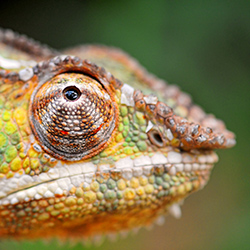 We have a passion for the animals we look after, with a shop history that dates back into the 70's. We simply wouldn't be doing what we do this long if we didn't enjoy it.
From the old guard to the latest arrivals we make sure our staff are trained and learn the requirements of the animals we stock. Cleaning out a vivarium may not be the most glamorous task but we understand how important it is for the animal.
If you're after first hand experience and advice then look no further. As well as having been around a long time, we have also got out and visited the world. With trips to Africa and South America we have seen first-hand how many of the animals we sell live in the wild. From Sierra Leone to Columbia, we have learnt what nature can teach.
In the community
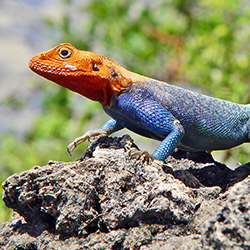 We are proud to serve our local community with a wide variety of reptiles, snakes and fish. Our staff are involved in local reptile clubs and we travel around the regions schools giving informational talks to students of all ages on how to keep and look after exotic pets. We often make trips to any local events that invite us to come along and show off our reptiles.
We often help our local customers in breeding their reptiles, either by incubating any eggs they may have or by finding a mate for their pet.
 Coldwater, Tropical & Cichlids
 Pythons, Boas & Colubrids
 Agamas, Iguanas, Geckos & More!
 Tortoises & Turtles
 Frogs, Toads & Newts
 Spiders
 Hedgehogs, Mantids & More!
(Eublapharis Macularis)
(Correlophus ciliatus)
(Correlophus ciliatus)
(Extatosoma tiaratum)
(Phidippus regius)
(Litoria caerulea)
(Testudo horsfieldii)
(Epicrates cenchria)
Monday - Saturday: 10am - 5:30pm
Sunday: 10am - 4pm